

I want to hear your story.
Losing a child is one of the most difficult things a person can go through, and it's important to know that you're not alone. Sharing your story can help you process your emotions and find support from others who have been through similar experiences.
I understand that the pain of losing a child can be hard to put into words, but your story is important and deserves to be told.
Feel free to share your story with me.
ABOUT MY MISSION
If you have ever loved a child, then you understand what it’s like to love someone more than you love life itself. If you have ever lost a child, then you understand more about hell than anyone could possibly be expected to know. This isn’t something you get over. Only those who have lost a child can understand the depths to which this pain travels. Like most of the men who will read these books, I too am a grieving dad.
The message I want bereaved fathers to understand is that I know it’s hard, I know it hurts, I know it’s scary — but you can get through this. You can survive. It will be the hardest thing you will ever experience; it will drain you physically, mentally, and emotionally. You can come out on the other side of this very long and lonely tunnel, but you will be a different person when you do. There is no going back to the old you.
You also need to know that you are not alone in your grief. Other men have been through this and that the emotions they keep inside are the same emotions all of us experience, even if we don't talk about them. The best thing you can do is to reach out for help and to know it is not a sign of “weakness” to do so. Instead, it’s a sign of courage and strength — the kind that’s required to face this battle head on.
I WROTE THE BOOK(S) ON MEN'S GRIEF

He Lost His Baby Too
Survival Guide for the Grieving Dad
This book was written specifically for fathers grappling with the unbearable aftermath of losing a baby. It is all too easy for a bereaved father to succumb to a haunting sense of isolation after such a loss. However, within these pages lies a lifeline—a survival guide infused with wisdom, providing a roadmap through the complicated path of grief.
In the wake of a tragic loss—whether it be a miscarriage, a stillbirth, or the untimely passing of an infant—this invaluable resource unravels the layers of anguish that overwhelm grieving fathers. Written by a grieving dad, this book offers unflinching honesty and poignant insight, it also delves into the raw pain that accompanies such a profound loss, assuring these men that their emotions, however overwhelming, are both valid and shared by others who have walked a similar path.
Orders of 10 books or more are eligible for bulk rate discount. All bulk order inquires should email or call for further details.
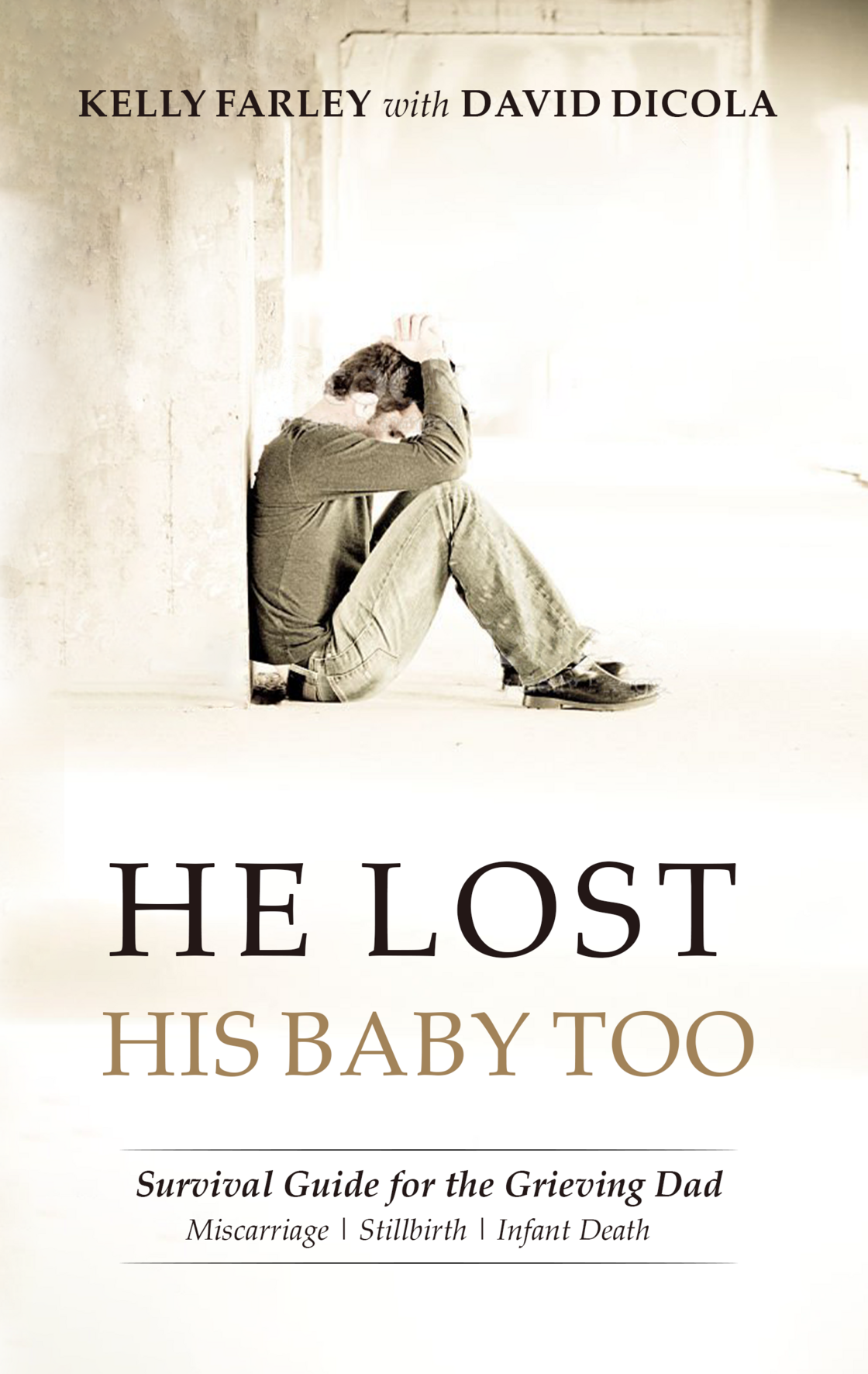
He Lost His Baby Too
Survival Guide for the Grieving Dad
This book was written specifically for fathers grappling with the unbearable aftermath of losing a baby. It is all too easy for a bereaved father to succumb to a haunting sense of isolation after such a loss. However, within these pages lies a lifeline—a survival guide infused with wisdom, providing a roadmap through the complicated path of grief.
In the wake of a tragic loss—whether it be a miscarriage, a stillbirth, or the untimely passing of an infant—this invaluable resource unravels the layers of anguish that overwhelm grieving fathers. Written by a grieving dad, this book offers unflinching honesty and poignant insight, it also delves into the raw pain that accompanies such a profound loss, assuring these men that their emotions, however overwhelming, are both valid and shared by others who have walked a similar path.
Orders of 10 books or more are eligible for bulk rate discount. All bulk order inquires should email or call for further details.
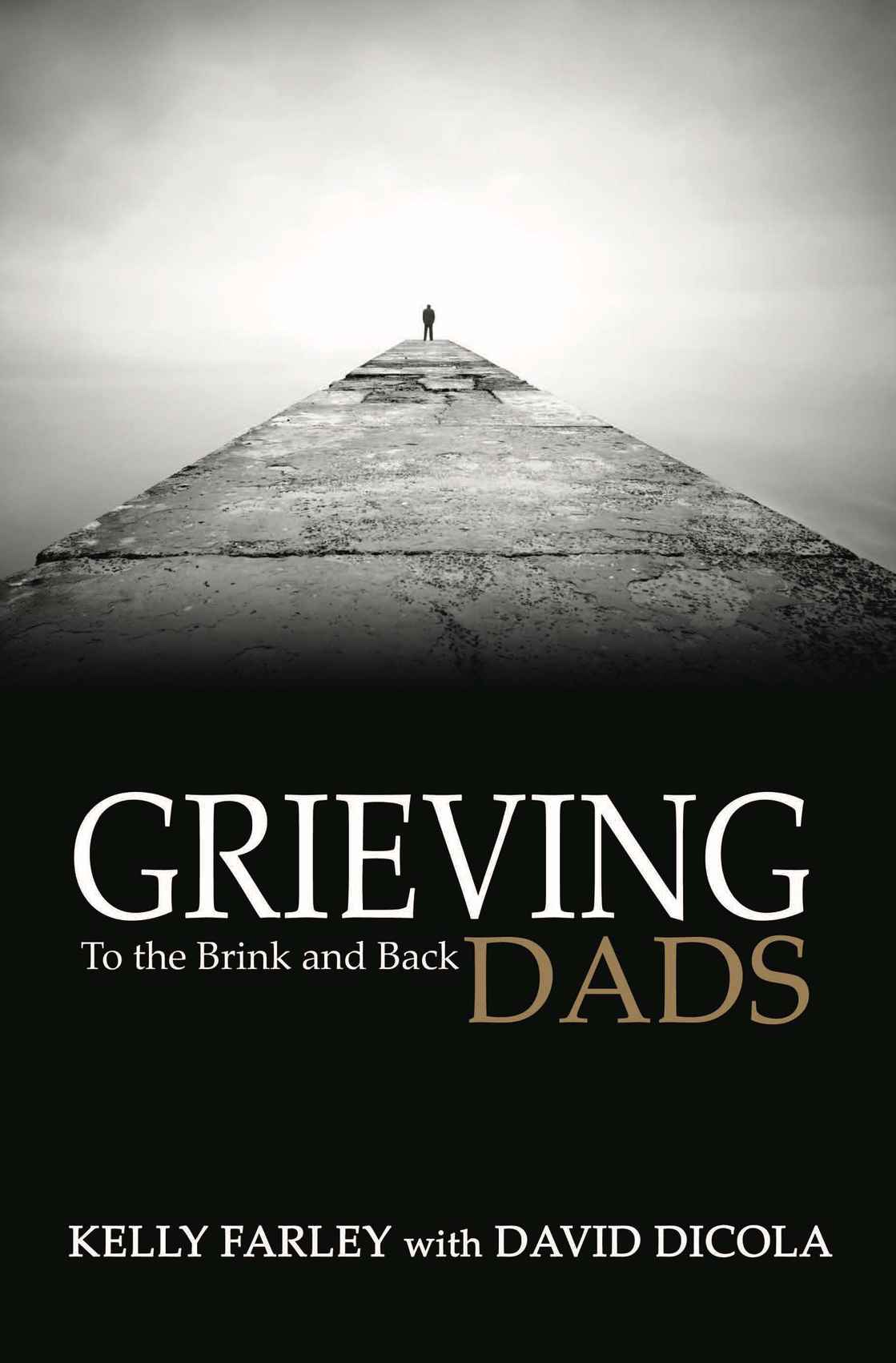
Grieving Dads
To the Brink and Back
A collection of candid stories from grieving dads that were interviewed over a two-year period. The book offers insight from fellow members of, in the haunting words of one dad, “this terrible, terrible club,” which consists of men who have experienced the death of a child. This book is a collection of survival stories by men who have survived the worst possible loss and lived to tell the tale.
They are real stories that pull no punches and are told with brutal honesty. Men that have shared their deepest and darkest moments. Moments that included thoughts of suicide, self-medication, and homelessness. Some of these men have found their way back from the brink, while others are still standing there, stuck in their pain. The core message of Grieving Dads is “you’re not alone.” It is a message that desperately needs to be delivered to grieving dads who often grieve in silence due to society’s expectations.
Orders of 10 books or more are eligible for bulk rate discount. All bulk order inquires should email or call for further details.
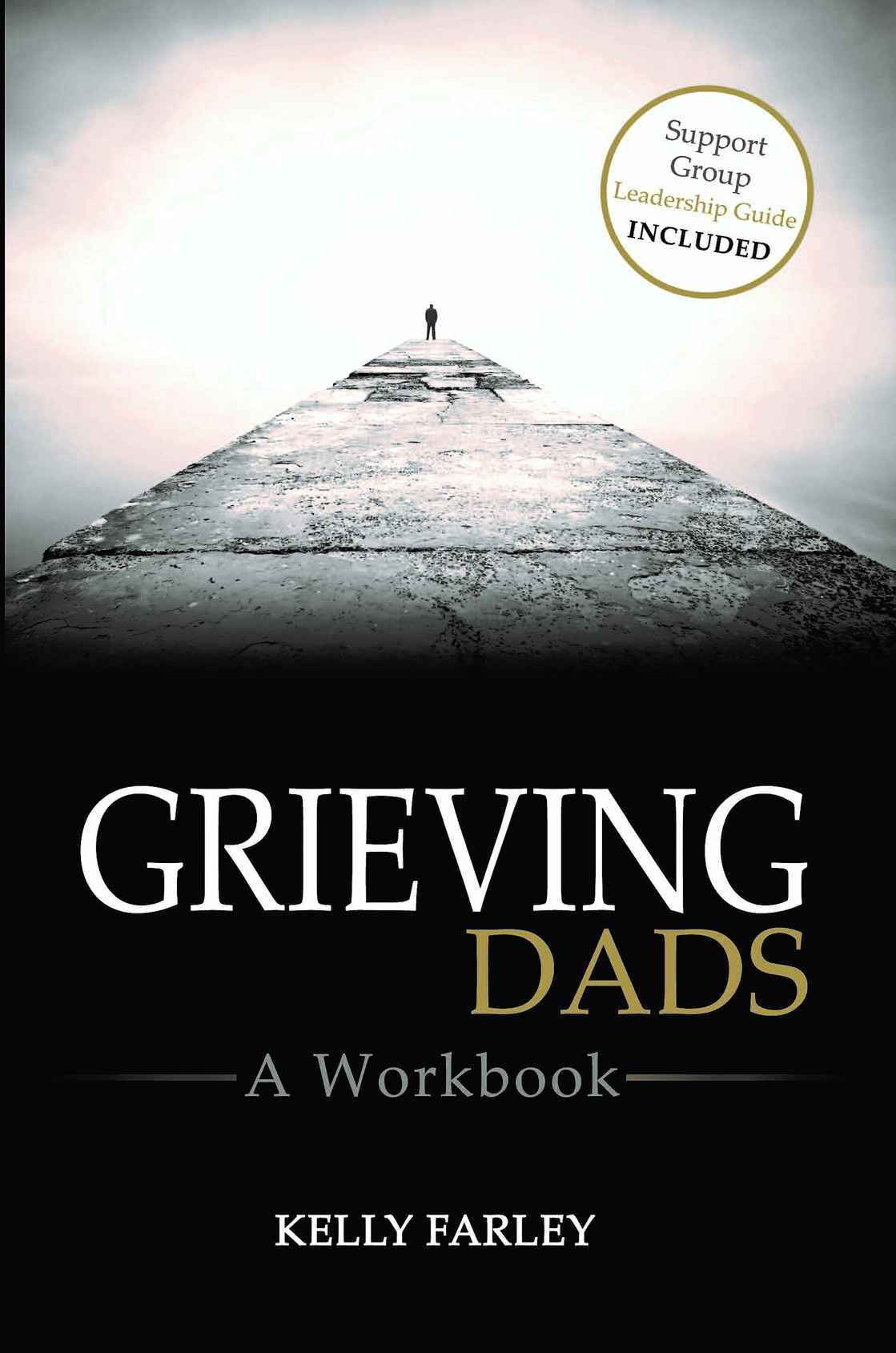
Grieving Dads
A Workbook
This workbook can be used individually or in a group setting. The workbook follows the same outline and was designed to be a tool that helps the reader process key points highlighted in the original Grieving Dads: To the Brink book.
Once you start the workbook, I encourage you to stick with it until the end. The process will be tough at times, so know that going in. You will have to dig deep, learn to be transparent, and surrender. Tell your story, your whole story. I am very happy that you found this workbook and are willing to give it a try. There is no judgment in what you have to say. Anyone that has had to walk this path understands that to be the truth. We are all just trying to get through it the best we can. My hope is that this workbook will help you get to the next level of healing.
Orders of 10 books or more are eligible for bulk rate discount. All bulk order inquires should email or call for further details.
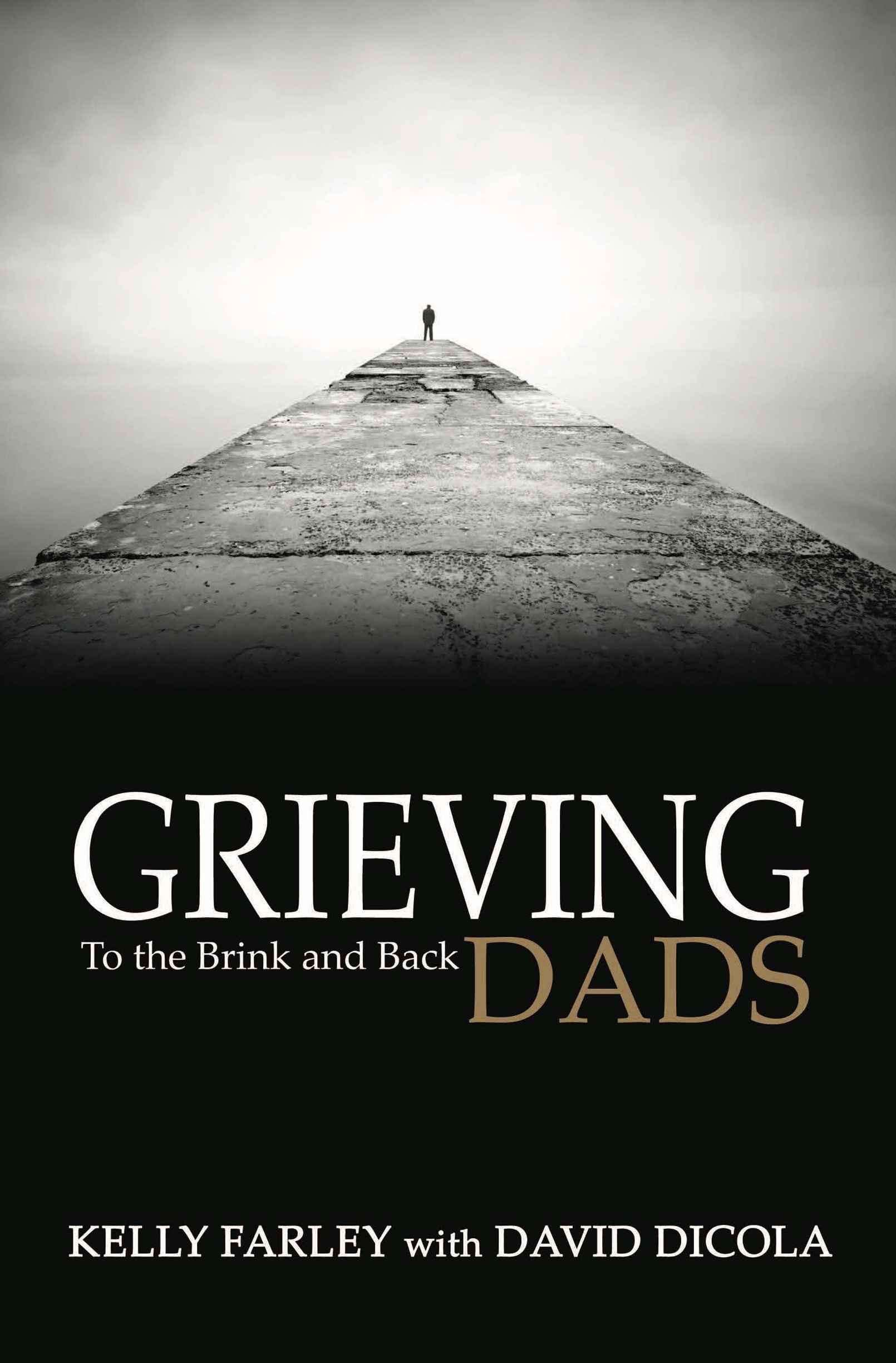
Grieving Dads
To the Brink and Back
A collection of candid stories from grieving dads that were interviewed over a two-year period. The book offers insight from fellow members of, in the haunting words of one dad, “this terrible, terrible club,” which consists of men who have experienced the death of a child. This book is a collection of survival stories by men who have survived the worst possible loss and lived to tell the tale.
They are real stories that pull no punches and are told with brutal honesty. Men that have shared their deepest and darkest moments. Moments that included thoughts of suicide, self-medication, and homelessness. Some of these men have found their way back from the brink, while others are still standing there, stuck in their pain. The core message of Grieving Dads is “you’re not alone.” It is a message that desperately needs to be delivered to grieving dads who often grieve in silence due to society’s expectations.
Orders of 10 books or more are eligible for bulk rate discount. All bulk order inquires should email or call for further details.
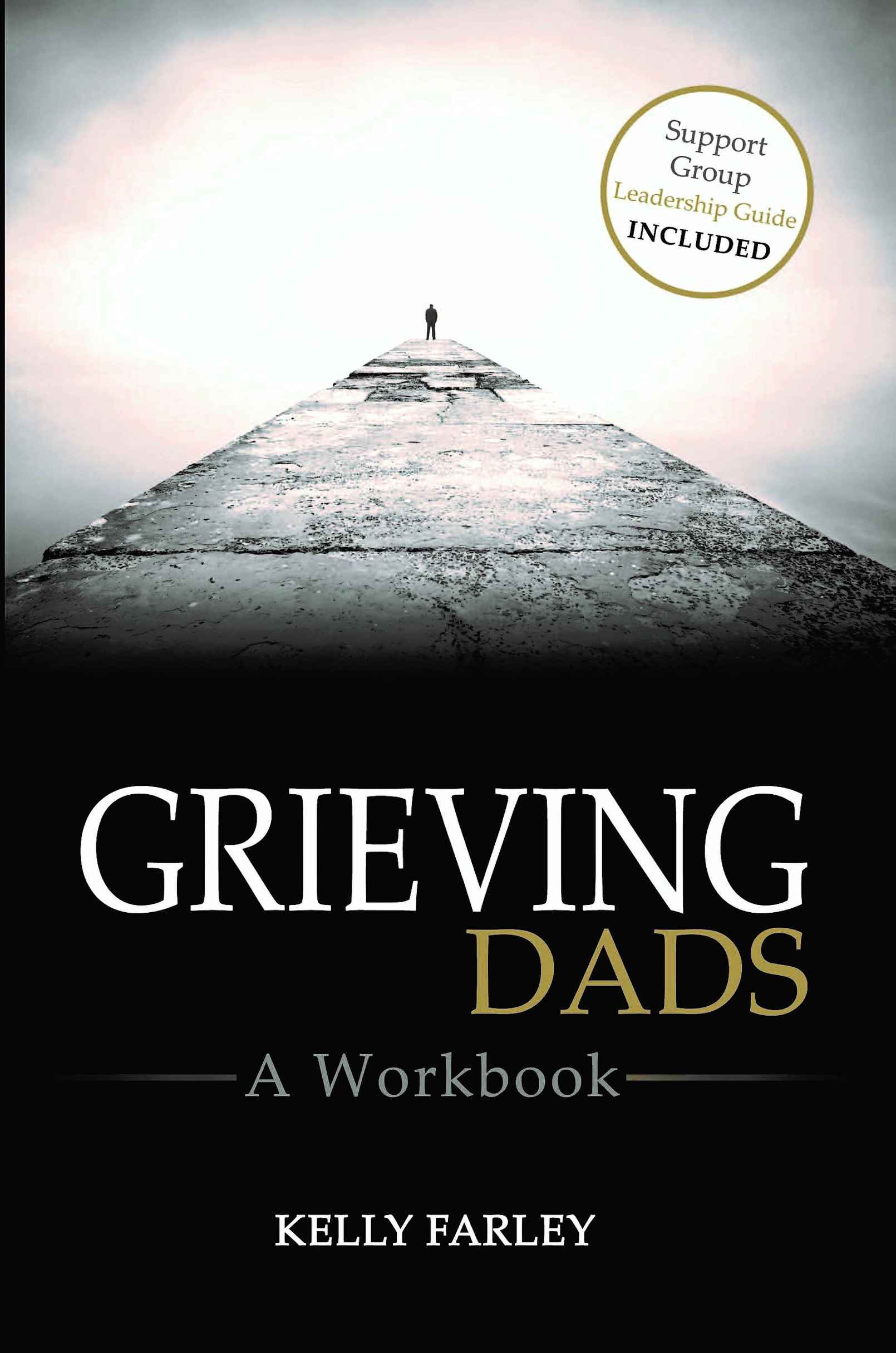
Grieving Dads
A Workbook
This workbook can be used individually or in a group setting. The workbook follows the same outline and was designed to be a tool that helps the reader process key points highlighted in the original Grieving Dads: To the Brink book.
Once you start the workbook, I encourage you to stick with it until the end. The process will be tough at times, so know that going in. You will have to dig deep, learn to be transparent, and surrender. Tell your story, your whole story. I am very happy that you found this workbook and are willing to give it a try. There is no judgment in what you have to say. Anyone that has had to walk this path understands that to be the truth. We are all just trying to get through it the best we can. My hope is that this workbook will help you get to the next level of healing.
Orders of 10 books or more are eligible for bulk rate discount. All bulk order inquires should email or call for further details.
NBC Today Video - Grieving Dads
WORK WITH ME

On-Line Course
I've learned a lot about survival since the death of my children. This course will provide insight and help you do the same.

Workshops
It is important for me to share my knowledge and experience with grieving parents and those who work with them every day.
WORK WITH ME
On-Line Course
I learned a lot about survival in the years after the death of my children. My story empowers and inspires.

Coaching
Not only do I understand the impact of losing a child, I’ve lived it and survived it.
Workshops
It is important for me to share my knowledge and experience with grieving parents and caregivers.





Stay connected with me